I shipped my first line of production code at fifteen.
Running my own startup with coaches from Microsoft in Buenos Aires. The dot-com bubble burst, an acquisition fell through, and Microsoft hired me at sixteen. By the time I was sitting in conference rooms demoing software to executives at one of Argentina's largest telecoms, I had already built and lost a company.
What I learned at Microsoft shaped everything after. At sixteen you cannot rely on authority, you do not have any. What you have is what you actually know and whether you have done the work to be useful in the room. I learned to project power without authority, to push back on hierarchy when the idea was better, and to treat a work culture where deadlines are real and credit is tracked as a privilege, not a constraint.
The AI Engineering Partner for mid-market US companies. Density helps teams ship AI to production, built on a decade of shipping production software and the long-term partnerships that come with it. Most engagements in this market last 18 months. Ours have lasted more than a decade. That is not an accident. It is the result of thousands of small decisions about how to integrate teams, build trust across borders, and treat partnerships as long-term commitments instead of transactions.
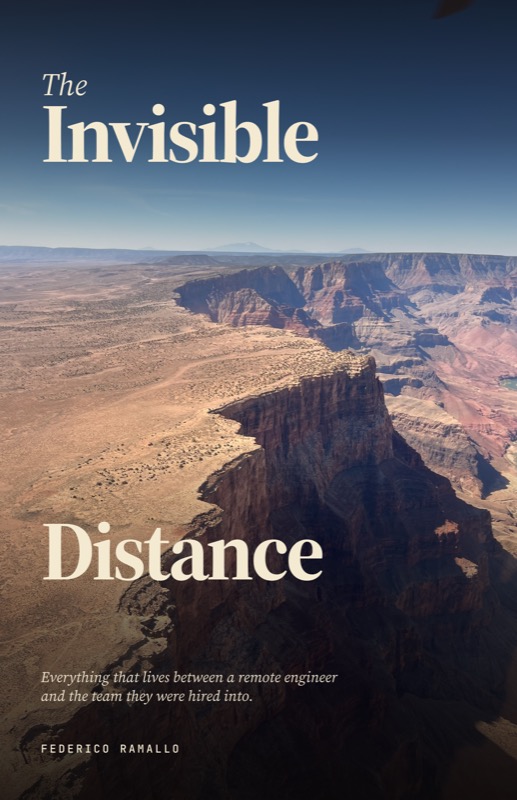
I wrote The Invisible Distance because after 150 conversations on my podcast with engineering leaders across the industry, the same question kept surfacing without people realizing they were asking it: how do you build a team that comes together across distance and still feels like one?
The book is my attempt to draw a map from the terrain itself, not a framework imposed from outside. If you are a VP of Engineering, a Director, or anyone responsible for making distributed teams actually work, this work is for you.